How Deburring Solutions Improve Production Quality
In today's competitive manufacturing landscape, understanding how to enhance production quality is crucial for sustainability and growth. If your business struggles to maintain precision and consistency in product finishes, I promise that applying effective deburring solutions can streamline your processes and significantly improve the quality of your output. By following a few clear and actionable steps, you can address quality issues head-on, ensuring your products meet industry standards with remarkable accuracy.
Understanding the Importance of Deburring
Deburring is an essential process that removes sharp edges and imperfections from machined parts. These inconsistencies can lead to malfunctions or failures down the line, affecting not only the reliability of the product but also customer satisfaction. According to industry data, a staggering 80% of quality control issues stem from inadequate finishing processes. Therefore, implementing effective deburring solutions is paramount for manufacturers aiming to meet strict standards such as ASTM and DIN.
Step 1: Evaluate Your Current Processes
The first step involves conducting a thorough examination of your existing production processes:
Audit Current Finishing Techniques: Identify the methods currently deployed for deburring, such as manual sanding, tumbling, or using machinery.
Measure Effectiveness: Use KPIs like defect rates, production time, and compliance with standards to gauge your current processes' efficiency.
Identify Problem Areas: Pinpoint where defects are most likely to occur and seek feedback from your production floor personnel.
By evaluating these aspects, I realized several inefficiencies and began to understand how deburring solutions could alleviate these pain points.
Step 2: Explore Suitable Deburring Solutions
After identifying the areas for improvement, it is crucial to choose the right deburring solutions:
Mechanical Deburring: Utilizing CNC machines with deburring attachments can achieve precision levels of up to 0.01 mm.
Chemical Deburring: In cases of complex geometries, chemical options can provide thorough cleaning and finishing.
Ultrasonic Deburring: This technique ensures 100% inspection capability, eliminating the risk of overlooked imperfections.
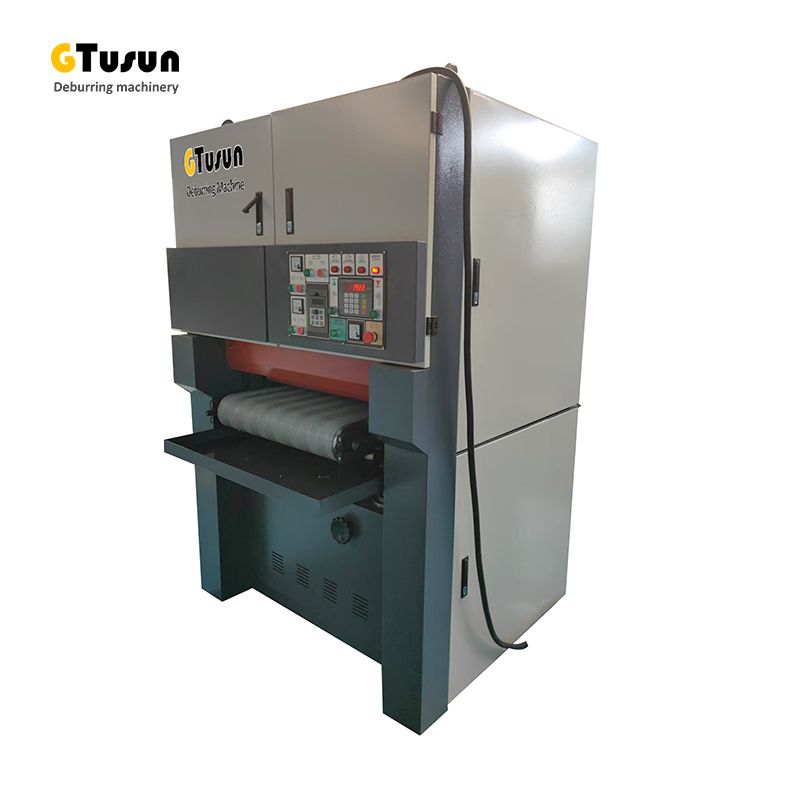
For my operations, I found that choosing GTusun's automated deburring system significantly reduced processing times and minimized manual errors.
Step 3: Implement and Train
Once you’ve settled on a solution, systematic implementation and training can yield powerful results:
Schedule Downtime for Implementation: Allocate specific times for machinery integration without affecting productivity.
Train Staff: Conduct workshops to ensure all team members understand the new deburring solutions and their operational procedures.
Monitor Initial Results: Collect data on the changes made to analyze their impact on production quality.
During this phase, I faced challenges with staff adaptation; however, additional training sessions helped ease the transition and increased overall efficiency.
Step 4: Optimize and Maintain
To ensure sustained quality improvements, continuous optimization is essential:
Regular Performance Reviews: Monthly assessments can help you stay ahead of potential issues.
Feedback Loops: Create a system for operators to report any new challenges encountered on the floor.
Adopt New Technologies: Keep abreast of innovations in deburring solutions to further boost efficacy.
We became proactive in seeking feedback, which led to ongoing adjustments that consistently enhanced our production quality.
Tools and Resources for Efficiency
For further execution efficiency, consider the following tools:
Quality Inspection Software: Investing in automated inspection tools can help maintain records of compliance with industry standards.
Digital Twins for Simulation: Utilize digital twin technology to optimize processes before physical implementation.
For example, GTusun offers comprehensive software integrations that provide real-time quality analysis, which has been invaluable for our operations.
Key Steps Recap & Immediate Action
To wrap things up, here’s a quick recap of the fundamental steps to implement deburring solutions effectively:
Evaluate current processes and measure weaknesses.
Explore and select appropriate deburring solutions tailored to your needs.
Implement the systems with thorough training and monitor results.
Continuously optimize based on staff feedback and performance reviews.
By taking these steps now, you can lead your manufacturing process towards improved quality and operational excellence. Remember, implementing effective deburring solutions isn't just a minor adjustment – it's a strategic shift that can redefine your production quality and customer satisfaction levels.
Incorporate deburring solutions today and witness how GTusun transforms your production quality for the better!
Suggested reading:


评论
发表评论