Electro-Galvanised Wires vs. Hot-Dip Galvanised Wires
The fundamental difference between electro-galvanised wire and hot-dip galvanised wire is how the zinc coating is applied. Electro-galvanised wire is zinc-coated by electroplating, which is fast and cheap but has weak bond strength, limited corrosion resistance, and a slower process. Hot-dip wire is preferable because its zinc-iron bond is stronger, making it corrosion-resistant and robust.
Electro galvanised wire and hot-dip galvanised wire are both types of wire that have been coated with a layer of zinc to protect them from corrosion. The main difference between the two is how the zinc coating is applied.
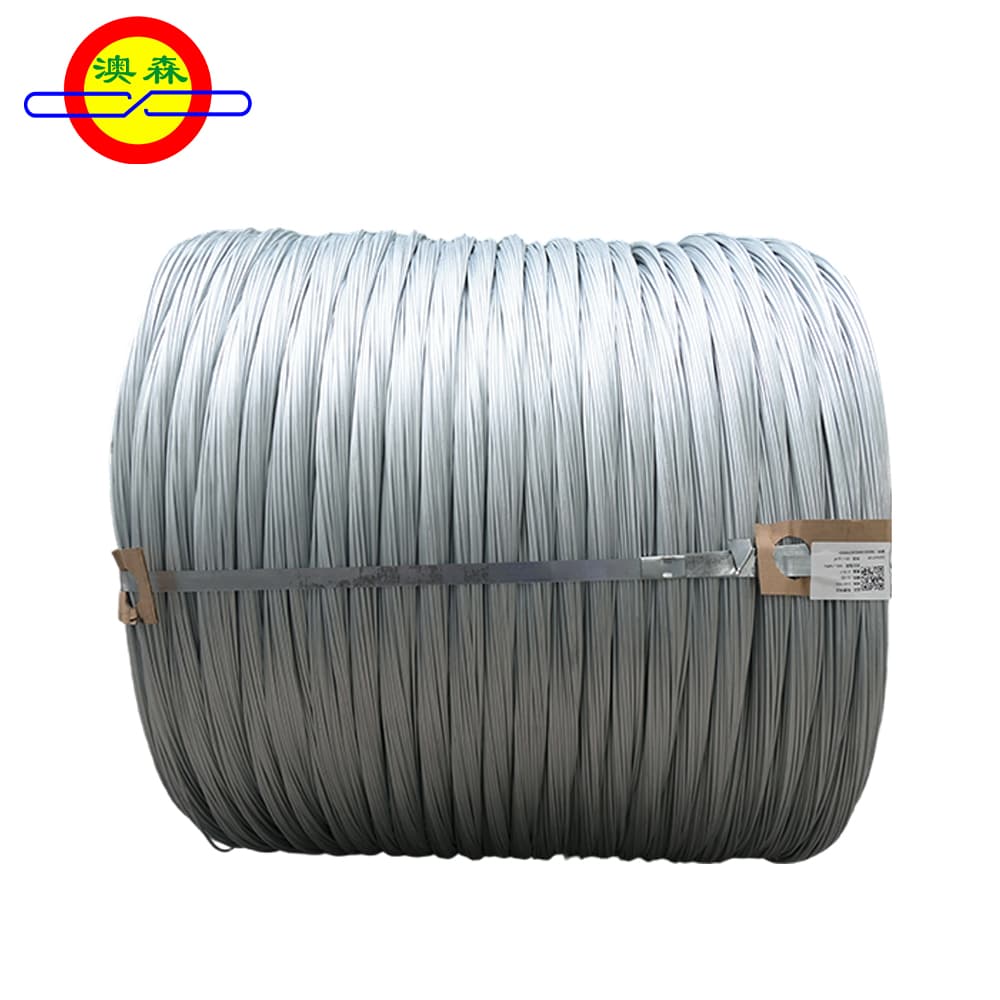
An electro-galvanised wire is coated with zinc through an electroplating process, in which an electric current is used to deposit a thin layer of zinc onto the surface of the wire. This process is relatively quick and inexpensive, making electro-galvanised wire an appealing choice for many applications. However, there are several drawbacks to using electro-galvanised wire, including:
1. Poor bond strength. One of the main disadvantages of electro-galvanised wire is that the bond between the zinc and the iron is relatively weak. This can result in the zinc coating chipping or wearing off over time, exposing the wire to corrosion. In contrast, hot-dip galvanised wire has a much stronger bond between the zinc and the iron, as the zinc is applied through a process called galvanisation, in which the wire is immersed in a bath of molten zinc. This creates a strong chemical bond between zinc and iron, creating a more durable and corrosion-resistant coating.
2. Limited corrosion resistance. Electro-galvanised wire has limited corrosion resistance compared to hot-dip galvanised wire. The thin layer of zinc applied through the electroplating process is not as effective at protecting the wire from corrosion as the thicker layer of zinc applied through the galvanisation process. As a result, an electro-galvanised wire may not be suitable for use in harsh or corrosive environments, such as marine or coastal areas.
3. Slower process. The electro-galvanisation process is much slower than modern hot-dip galvanisation processes, such as the DRU-Gal process offered by DRUIDS. This can be a disadvantage if you need to coat large quantities of wire quickly, as the electro-galvanisation process may not be able to keep up with demand.
Overall, hot-dip galvanised wire is generally a better choice than electro-galvanised wire due to its stronger bond strength, superior corrosion resistance, and faster application process. Moreover, hot-dip galvanisation processes like Aosen Metal are much faster and more efficient, allowing you to coat large quantities of wire in a short amount of time.
While electro-galvanised wire may be slightly more cost-effective in the short term, the long-term benefits of hot-dip galvanised wire make it a more reliable and durable choice for many applications.
Suggested reading:
https://www.whosonthelist.com/
https://www.growyourbusinesslist.com/


评论
发表评论