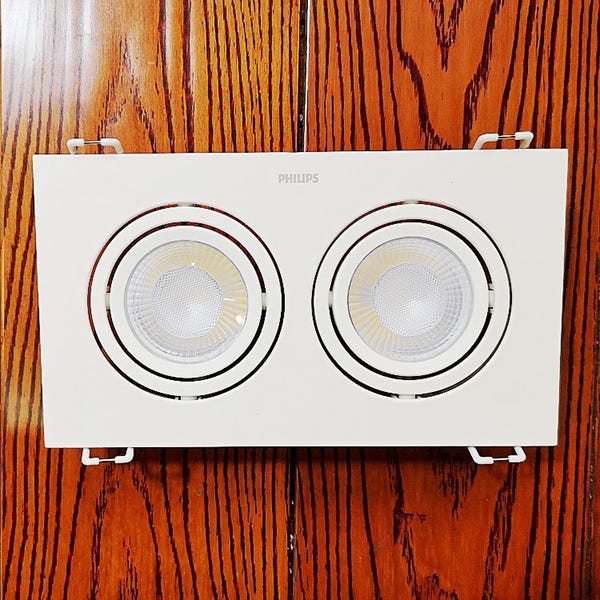
AnLED spotlightis a type of light fixture that uses light-emitting diodes (LEDs) as its light source. LED spotlights are designed to produce a focused beam of light that can be directed at a specific area or object. They are available in a range of sizes and styles, from small, recessed lights to larger, more decorative fixtures.
Philips led spot light GD100 LED8*1 NB 3000K WH CN 929002549810
Benefits of LED Spotlights
Energy Efficiency
One of the biggest advantages of LED spotlights is their energy efficiency. LED lights use significantly less energy than traditional incandescent bulbs, which can result in significant savings on your electricity bill over time. LED lights also last much longer than incandescent bulbs, which means you will spend less money on replacements.
Long-Lasting
Another advantage of LED spotlights is their long lifespan. LED lights can last up to 25,000 hours or more, compared to incandescent bulbs that typically last only around 1,000 hours. This means you will need to replace LED lights far less frequently, reducing maintenance costs and inconvenience.
Versatility
LED spotlights are available in a wide range of styles, sizes, and colors, making them a versatile lighting solution for any space. Whether you need to light up a small area or a large room, there is an LED spotlight that will meet your needs.
Directional Lighting
One of the most significant advantages of LED spotlights is their ability to produce directional lighting. Unlike traditional bulbs, which emit light in all directions, LED spotlights can be directed at a specific area or object, making them ideal for highlighting artwork, furniture, or other design elements.
Uses of LED Spotlights
LED spotlights can be used in a variety of settings, from residential homes to commercial buildings. Here are some of the most common uses of LED spotlights:
Highlighting Artwork
LED spotlights are perfect for highlighting artwork, as they can be directed at a specific area or object. They can also be used to create a dramatic effect by casting shadows and emphasizing texture.
Accent Lighting
LED spotlights can be used as accent lighting to create a focal point in a room. For example, you could use LED spotlights to draw attention to a particular area of a room, such as a fireplace or a piece of furniture.
Outdoor Lighting
LED spotlights are an excellent choice for outdoor lighting, as they are durable and energy-efficient. They can be used to light up walkways, driveways, and outdoor living spaces.
Task Lighting
LED spotlights can be used as task lighting in areas where additional light is needed for specific activities, such as reading or cooking. They can be directed at a specific area, providing bright, focused light that is perfect for these types of tasks.
Commercial Lighting
LED spotlights are also commonly used in commercial settings, such as retail stores and museums. They can be used to highlight products, create a particular atmosphere, or draw attention to important information.
Conclusion
LED spotlights are an excellent lighting solution for any space, offering energy efficiency, long lifespan, and versatility. They are perfect for highlighting artwork, creating a focal point in a room, providing outdoor lighting, and serving as task lighting. If you’re considering upgrading your lighting, LED spotlights are a great option.
As a Philips distributor, we can provide you with a variety of high-quality Philips lamp products, For more information, please contact us. We will provide professional answers.
As sustainability takes center stage in various industries, the shift towards eco-friendly alternatives has become more pronounced. In the realm of laminating films, the emergence of PVC-free laminating film has been a game-changer. In this article, we delve into the myriad benefits of opting for PVC-free laminating film, highlighting its positive impact on the environment and its superior performance. The Eco-Friendly Revolution Environmental Friendliness The primary and most compelling benefit of PVC-free laminating film is its commitment to environmental sustainability. Traditional laminating films often contain Polyvinyl Chloride (PVC), a material associated with harmful emissions and environmental concerns. In contrast, PVC-free alternatives are crafted from materials that are more environmentally friendly, reducing the ecological footprint of laminating processes. Reduced Harmful Emissions PVC, when subjected to high temperatures during lamination, can release h...
In the realm of interior design and home improvement, the quest for functionality and aesthetics harmoniously interweaves. Addressing the quintessential challenge of acoustics in residential environments has spurred the emergence of innovative solutions like 3D acoustic wall panels . These panels, once relegated to commercial and studio settings, are increasingly finding their place within residential spaces. But are they truly suitable for such intimate settings? Let’s delve into the empirical evidence and expert insights to uncover the verdict. First and foremost, let's address the core functionality of 3D wall panels : sound absorption. While the bustling energy of urban life seeps into our homes, creating a cacophony of noises ranging from traffic rumble to household chatter, maintaining tranquility within residential spaces becomes paramount. Acoustic panels, with their intricate designs and porous structures, act as effective sound absorbers, mitigating reverber...
Handbags, the more you have them, the more you want them! We, women, absolutely love handbags and the list of reasons for that is endless. They are a fashion statement that can enhance our look and personality, especially when matched with the right outfit. And choosing the right type of large bag has never been easier, since we can choose from thousands of different handbag models, types, materials, and sizes. Fashion designers and experts stay true to what they create and their work really pays off. Owning high-quality large handbags is a real blast, as they won’t wear and tear within a year or less. High-quality hand bags are durable, strong, cute as a button and most importantly – unique. Let us show you the three essential benefits of owning at least one large and high-quality handbag, before you make your next purchase. Durability Shoulder Bags are made only from the best types of materials and are designed to last. It is true that the quality la...